- Open:Weekdays: 8:30 am – 5:30 pm, Saturdays: 9:00 am-2:00 pm
- Email: info@youdrugmart.com
- Follow:
-

-


The Alzheimer’s finger-prick test offers new hope for early detection, and many people want to understand how it works. This new test uses a tiny blood sample to detect early signs of Alzheimer’s disease. It gives people a simple way to check their brain health long before symptoms appear. Many doctors believe this test can change how we diagnose Alzheimer’s in the future. It also gives families more time to plan, prepare, and seek treatment.
Why Early Detection Matters
Early detection helps people take action while their brains are still working well. Many patients feel scared when they hear the word “Alzheimer’s,” but early knowledge gives them more control. It also helps doctors guide patients with better care plans. Because of this, researchers continue to search for tools that detect Alzheimer’s earlier and faster.
Traditional tests often require long hospital visits. They may involve brain scans, spinal taps, or elaborate memory exams. These tests can feel stressful and expensive. Many people avoid them until symptoms become severe. This delay reduces treatment options and increases anxiety for families.
The new Alzheimer’s finger-prick test changes this pattern. It offers a simple way to check for early changes in the brain. It also reduces the fear and stress linked to traditional testing. This test will also give new hope to patients who feel more comfortable with a small blood test than with a spinal tap or long scan.
Doctors check three important blood proteins that link closely to Alzheimer’s disease. They study the levels of these proteins to understand a person’s risk. These proteins act as early blood-based biomarkers that signal silent brain changes. Research shows that rogue proteins like amyloid and tau can build up slowly in the brain. This buildup often starts more than fifteen years before any memory symptoms appear. This early rise in rogue proteins helps doctors detect Alzheimer’s long before daily life changes.
The test uses a small device that collects a drop of blood from the fingertip. The sample then goes to a lab for analysis. The lab checks for markers linked to brain changes. Results help doctors understand a patient’s risk level. This process is simple, fast, and less invasive than older methods.
Researchers believe this test can help identify Alzheimer’s up to ten years before symptoms appear. This early window gives patients more time to prepare. It also helps doctors start treatment earlier, which may slow the progression of the disease.
Below are the key benefits of this new test. Each bullet point includes a highlight as required:
Early detection helps patients understand their brain health before symptoms appear. The Alzheimer’s finger-prick test identifies early changes in the blood. This gives doctors more time to guide patients with treatment and lifestyle advice. It also helps families prepare for future care needs.
Many people feel nervous about hospital visits. This test reduces that stress because it can be collected at home. Patients use a small kit to collect a drop of blood. They then send the sample to a lab. This simple process increases testing rates and reduces delays.
Traditional tests often feel overwhelming. They may require long travel, long waits, or invasive procedures. The Alzheimer’s finger-prick test removes many of these barriers. It offers a gentle and quick option that encourages more people to get tested early.
Because the test is simple, results come faster. Doctors can review the results and guide patients sooner. This early guidance helps patients make lifestyle changes that support brain health. It also helps families understand the next steps.
Alzheimer’s affects families as much as patients. Early knowledge helps families plan for care, finances, and emotional support. The Alzheimer’s finger-prick test gives families more time to prepare. This reduces stress and improves long-term outcomes.
This test represents a major shift in Alzheimer’s care. Many people avoid testing because they fear invasive procedures. This new method removes that fear. It also helps doctors reach more patients in rural or underserved areas.
Researchers continue to study how accurate the test is. Early results show strong promise. Many experts believe this test will become a standard tool in Alzheimer’s care. It may also help researchers track the disease in large populations. This can improve future treatments and prevention strategies.
The Alzheimer’s finger-prick test also supports global health efforts. Many countries struggle with limited access to advanced medical tools. A simple blood test can reach more people and reduce health gaps.
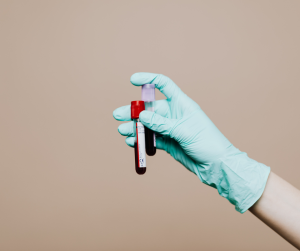
Patients should understand that this test does not replace a full medical evaluation. It is a screening tool that helps identify risks. If the test shows early signs, doctors may order more tests. These tests confirm the diagnosis and guide treatment.
Patients should also know that early detection does not mean immediate decline. Many people live full and active lives for years after early detection. Early knowledge helps them protect their brain health through lifestyle changes. These changes include exercise, healthy eating, and mental stimulation.
Families should talk openly about brain health. Many people hide memory concerns because they fear judgment. The Alzheimer’s finger-prick test gives families a gentle way to start the conversation. It also helps reduce stigma around Alzheimer’s disease.
As research grows, this test may become even more accurate. It may also help detect other brain conditions. Many scientists believe blood-based tests will shape the future of neurology. They offer fast, simple, and affordable ways to understand brain health.
The Alzheimer’s finger-prick test gives hope to millions of families. It offers an alternative path toward early detection and better care. It also empowers patients with knowledge and control. This shift can improve the quality of life for many people.