- Open:Weekdays: 8:30 am – 5:30 pm, Saturdays: 9:00 am-2:00 pm
- Email: info@youdrugmart.com
- Follow:
-

-


Looking for OTC Meds Great For the Brain? Many seek simple ways to support memory, focus, and clarity. OTC brain health products are technically supplements, but they offer ingredients that promote healthy brain function. Because the brain needs steady nutrient levels, using these options responsibly can help maintain cognitive performance. They also provide accessible support with no prescription required.
In this guide, we will discuss the top five OTC Meds Great For the Brain, their composition, benefits, dosage ranges, side effects, precautions, and possible drug interactions.
People search for these OTC options to sharpen focus, improve memory, or boost mental stamina. While these products do not treat conditions, they can support cognitive processes and offer a convenient way to maintain brain health as part of a balanced lifestyle.
Below are the five most researched and widely used OTC options. Each offers unique benefits and supports the brain in different ways.
Composition
Omega‑3 fatty acids play a structural role in the brain. DHA supports the fluidity of brain cell membranes, improving communication between neurons. EPA helps regulate inflammation, protecting long‑term brain health. Because the brain relies on these fats, fish oil remains one of the most trusted OTC Meds Great For the Brain.
Benefits
Research shows that DHA supports memory formation and EPA helps regulate mood pathways. Together, they support cognitive resilience. Many clinicians consider fish oil a reliable OTC option.
Dosage
Side Effects
Precautions
Drug Interactions
Composition
B vitamins help convert food into energy, supporting mental clarity. They also help maintain healthy nerve function, making them essential for those with low dietary intake.
Benefits
Vitamin B12 and folate support red blood cell production, improving oxygen delivery. Vitamin B6 supports neurotransmitter production. These nutrients help maintain cognitive performance, making B-complex a reliable OTC option.
Dosage
Side Effects
Precautions
Drug Interactions
Composition
Vitamin D acts like a hormone, supporting brain development and mood regulation. Low levels are linked to cognitive decline, making vitamin D an important OTC option.
Benefits
Vitamin D receptors exist throughout the brain. They influence memory, mood, and decision making. When levels drop, cognitive performance may decline. Maintaining healthy vitamin D levels supports long‑term brain health.
Dosage
Side Effects
Precautions
Drug Interactions
Composition
Ginkgo improves blood flow and offers antioxidant support to the brain. For these reasons, it remains one of the most popular herbal OTC meds Great For the Brain.
Benefits
Ginkgo may help maintain cognitive performance in older adults by supporting microcirculation and oxygen delivery to brain cells. Many people report improved mental clarity.
Dosage
Side Effects
Precautions
Drug Interactions
Composition
Phosphatidylserine helps maintain healthy brain cell structure, supports neurotransmitter release, and improves memory formation, making it a promising OTC option.
Benefits
Studies show that phosphatidylserine supports cognitive performance in aging adults. It helps maintain healthy cortisol levels, which improve focus under stress.
Dosage
Side Effects
Precautions
Drug Interactions
These OTC options support memory, focus, and long-term cognitive health. While they do not treat conditions, they help maintain normal brain function when used responsibly. Choosing the right option depends on your goals, health, and current medications. Speak to a doctor to know which option is best for you.
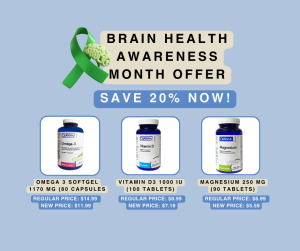
This brain health awareness month, we are offering 20% off select OTC meds great for the brain. Order yours now!