- Open:Weekdays: 8:30 am – 5:30 pm, Saturdays: 9:00 am-2:00 pm
- Email: info@youdrugmart.com
- Follow:
-

-


You might notice symptoms of vitamin B12 deficiency creeping in slowly. At first, they often seem mild, so people tend to ignore them. Yet these symptoms can drain your energy, disrupt your mood, and cloud your memory. Since vitamin B12 fuels your nerves and helps your body make healthy red blood cells, your system reacts quickly when levels drop. In this guide, we’ll walk you through the key signs, major risk factors, and prevention tips to protect yourself from deficiency of Vitamin B12.

Vitamin B12 deficiency doesn’t look the same for everyone. In many cases, symptoms sneak up over time, which makes them easy to miss or mistake for something else. Even though you might see these signs in other health problems, they usually show up when your body just isn’t getting enough B12 to work as it should.
Here are the most common signs of vitamin B12 deficiency to watch for.
Fatigue often appears first and is one of the most recognizable signs of vitamin B12 deficiency. With inadequate B12, your body produces fewer healthy red blood cells, so less oxygen circulates. This lack of oxygen can cause pronounced tiredness and persistent sluggishness, even when you are well-rested.
While fatigue often comes first, don’t forget that tiredness can have many causes. Still, if you notice this along with other symptoms, it’s worth checking your B12 levels.
Weakness is another warning sign to watch for. If your body can’t make enough healthy red blood cells, your muscles will get less oxygen. Not surprisingly, this can leave you feeling weak and make it harder to stay active. You might notice that everyday tasks feel more difficult. While weakness can happen for many reasons, it’s a good idea to consider vitamin B12 deficiency if it appears alongside other symptoms.
Your nerves rely on vitamin B12 to work well. If your B12 levels drop, your nerve signals slow, causing tingling, prickling, or burning sensations, as well as numbness in your hands or feet. Unlike some other symptoms, these nerve problems are fairly specific to B12 deficiency and often develop slowly. If you notice these sensations, it’s a sound reason to check your B12.
Vitamin B12 helps maintain mental sharpness and memory. When it’s low, you may feel increasingly forgetful, lose focus easily, or notice your mental speed slowing. These cognitive changes, while often mild at first, may be early indicators of a deficiency when accompanied by other symptoms.
A sudden onset of unusually pale or slightly yellowish skin can signal a problem making enough healthy red blood cells, a key function of vitamin B12. Pay attention to any changes in your tone compared to your usual tone, as they could be an early warning sign.
Shortness of breath may develop when your body fails to deliver adequate oxygen to tissues due to low B12 levels. Even daily activities, like walking or taking the stairs, can leave you breathless when your B12 is deficient, especially in combination with other symptoms.
Vitamin B12 supports the nervous system. When levels fall, mood changes may appear. People may feel irritable, low, or anxious. These emotional shifts can be subtle, but they are still considered common symptoms of vitamin B12 deficiency.
A glossy, smooth, or sore tongue is another symptom. This can involve redness, discomfort, or a loss of texture on the tongue’s surface—a result of poor cell growth in the mouth when vitamin B12 is low.
A decreased appetite can indicate that your digestive system is affected by low vitamin B12. If you suddenly lose interest in food without other clear causes, especially with other symptoms present, consider monitoring your B12 levels.
Understanding risk factors helps people recognize when they may be at higher risk of vitamin B12 deficiency symptoms. These factors do not diagnose a deficiency, but they highlight situations where low levels are more likely.
Below are the most common risk factors.
As people age, the body may absorb vitamin B12 less efficiently, increasing the likelihood of symptoms such as fatigue, weakness, and memory problems. Because absorption depends on stomach function, age‑related changes can influence B12 levels over time and may trigger these specific symptoms.
Vitamin B12 is naturally present in certain foods. People who eat limited amounts of these foods may be more likely to develop symptoms such as weakness, pale skin, or numbness when B12 is lacking in the diet. This risk factor does not apply to everyone, but it remains important to understand the potential connections.
Some digestive conditions can affect nutrient absorption, increasing the likelihood of symptoms such as tingling, numbness, and fatigue. When absorption decreases, the risk of developing symptoms of vitamin B12 deficiency, including nerve and energy function issues, increases. These conditions vary widely, but they share a common effect on nutrient uptake, leading to these symptoms.
Some medications can affect vitamin B12 levels, sometimes causing symptoms such as fatigue, mood changes, or loss of appetite to appear more quickly. Because medication effects vary, this risk factor depends on individual circumstances and how these changes affect B12 absorption and related symptoms.
Genetic factors can influence how the body processes nutrients. When family history is a factor, symptoms such as fatigue, pale skin, or nerve issues may appear more readily, as the risk of deficiency increases due to inherited differences in absorption or metabolism.
Although prevention varies from person to person, general concepts can help reduce the risk of vitamin B12 deficiency symptoms. These concepts remain broad and educational.
Awareness of Food Sources: Vitamin B12 is naturally present in certain foods such as meat, poultry, and eggs. However, vegans and vegetarians can also rely on plant-based options, such as fortified cereals and dairy alternatives. Check the labels to make sure your food has the nutrients you need.
Understanding Nutrient Absorption: The body absorbs vitamin B12 through a complex process. Vitamin B12 absorption depends on several steps in the stomach and small intestine. For example, the stomach needs acid to release vitamin B12 from food. When acid levels drop, the body absorbs less B12. Similarly, the stomach produces a protein called intrinsic factor, which helps the body absorb B12. When the stomach lining changes, intrinsic factor production may decrease, compromising Vitamin B12 absorption. Therefore, awareness of how absorption works helps people understand why the symptoms of vitamin B12 deficiency can appear even when intake seems adequate.
Seeking Professional Guidance When Needed: Health‑care professionals can assess general health concerns, including Vitamin B12 deficiency. When people experience symptoms or have questions, professionals can provide guidance to manage the condition.
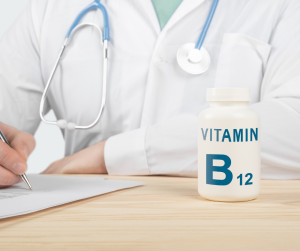
Pharmacists can support general education about vitamin B12. They can help people understand medication effects, nutrient interactions, and general health information. Although pharmacists do not diagnose or treat deficiencies, they can provide helpful insights when people have questions about the symptoms of vitamin B12 deficiency.
The symptoms of vitamin B12 deficiency can affect energy, mood, nerve function, and overall well‑being.
Recent data from Canadian health surveys shows that 5% to 10% of adults in Canada have low vitamin B12 levels, and the rate increases with age. The risk is even higher for adults aged 60 or older. Therefore, routine blood work that includes this test is essential. In Canada, most healthcare professionals review our vitamin B12 levels during our yearly blood work. However, some individuals on prescription medications that affect absorption may need more frequent tests. As we can see, solutions can vary from one individual to another. Speak to a healthcare provider for a consultation on how you can manage your symptoms of vitamin B12 deficiency.