- Open:Weekdays: 8:30 am – 5:30 pm, Saturdays: 9:00 am-2:00 pm
- Email: info@youdrugmart.com
- Follow:
-

-


Medication adherence means taking medication exactly as prescribed, including the correct dose at the right time for the full duration of therapy. When people follow their schedule, the medication stays at a steady level in the body, which allows the treatment to work as intended. Although the concept seems simple, it plays a critical role in maintaining stable conditions, preventing complications, and supporting long‑term health.
Medication adherence shapes health outcomes in ways many people never notice, and it often influences how well treatments work long before symptoms appear. Although many people assume that missing an occasional dose has little impact, the reality is very different because even small gaps in a treatment plan can alter how the body responds. As a result, understanding why consistency matters helps people stay healthier, maintain control, and avoid problems that develop quietly over time.
Many people believe medications work the same way regardless of how consistently they take them; however, the body relies on stable medication levels to keep conditions under control. When someone skips a dose, the level drops, and the treatment becomes less effective. Even though the change may feel minor at first, its long‑term impact can be significant. Because of this, medication adherence remains one of the strongest predictors of treatment success.
Our bodies depend on balance, and medications help maintain it. When doses remain consistent, the medicine reaches the proper level in the bloodstream, and the body responds as the prescriber intended. When doses are missed, that balance breaks.
The body loses the steady level of medicine it needs to function properly. When someone misses a dose, the level drops below the therapeutic range, and the treatment becomes less effective. This shift can cause symptoms to return and make the condition harder to control later. Because medication adherence supports stable levels, it protects the body from these swings.
The condition can worsen even before symptoms appear. Many chronic conditions progress quietly, and people often feel well even when the disease becomes more active. As a result, missed doses can cause damage long before someone notices a change. Since medication adherence keeps the condition stable, it helps prevent silent progression.
The body may react unpredictably when doses are inconsistent. When medication levels rise and fall, the body struggles to adjust. This instability can lead to side effects, flare‑ups, or reduced treatment response. Because consistent dosing avoids these issues, medication adherence becomes essential for long‑term success.
Although these effects may seem subtle at first, they accumulate over time and often lead to complications that require stronger medications, more appointments, or even hospital care.
Even though many people understand the importance of taking medication, daily life often gets in the way. People forget doses, run out of refills, or assume they no longer need the medicine once they feel better. However, the long‑term benefits of medication adherence extend far beyond symptom control because consistent use protects the body from future problems.
When someone follows their treatment plan, they give their body the best chance to remain stable. Although this may seem simple, the impact can be substantial.
Conditions such as high blood pressure, diabetes, asthma, and heart disease respond best to steady treatment. When doses stay consistent, the body avoids sudden spikes, drops, or flare‑ups that can lead to long‑term damage. Because medication adherence supports stability, it reduces the risk of emergencies.
When symptoms stay controlled, people sleep better, move more comfortably, and feel more confident in their daily routines. This improvement builds gradually and often becomes noticeable only when someone compares how they feel now to how they felt before. Over time, this consistency supports a healthier lifestyle.
When a condition remains stable, the body responds well to lower doses. However, when someone misses doses, the condition may worsen, and the prescriber may need to increase the strength or add new medications. Because medication adherence prevents this escalation, it helps people remain on simpler treatment plans.
Although these benefits may not appear immediately, they build steadily and create a strong foundation for long‑term health.
Even though missing a dose may seem harmless, the consequences can escalate quickly. People often underestimate how much one skipped pill can affect the body, yet research shows that even small gaps can change how well a treatment works. Because of this, medication adherence becomes a powerful tool for preventing problems that might otherwise go unnoticed.
The effects of missed doses depend on the condition, the medication, and the person’s overall health. However, several patterns appear across many treatments.
When someone skips medication, the body loses the steady support it needs. This instability can cause symptoms to return and make the condition harder to control later. Because medication adherence prevents these swings, it helps keep the condition stable.
Some treatments, especially antibiotics, require strict schedules. When a dose is missed, bacteria can survive and adapt, which makes the medication less effective in the future.
When conditions become unstable, people may need more appointments, tests, or emergency care. Although the cost of medication can feel high, the cost of complications is often much higher. Staying consistent helps people avoid these unnecessary expenses.
Although these consequences vary, they all highlight the importance of consistency, especially for chronic conditions that require long‑term care.
Because many people struggle with consistency, simple strategies can help them stay on track without feeling overwhelmed.
People often succeed when they use tools that fit naturally into their daily routines. Here are some examples:
Since medication adherence depends on consistency, reminders are a simple yet effective tool. Many people use phone alarms, apps, or smartwatches to stay on schedule.
When medications stay in places people see every day, such as near a toothbrush or coffee maker, the routine becomes easier to remember. Although this may seem small, visibility supports habit‑building and helps people stay consistent.
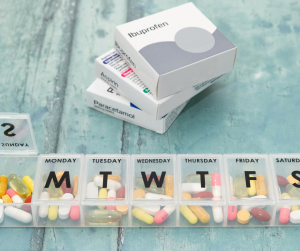
Pill organizers give people a clear way to confirm whether they have taken their daily dose. Because the compartments display the entire week at a glance, they reduce confusion and lower the risk of accidental double‑dosing. Since medication adherence improves when routines stay simple and structured, organizers serve as an effective and reliable tool for daily use. You can contact your pharmacist for a free pill organizer.
Medication adherence influences health in ways many people never expect, and it often determines how well treatments work long before symptoms appear. Although missing a dose may seem harmless, the long‑term effects can develop quickly and may lead to complications that require more intensive care later. Because consistent use protects the body, strengthens treatment plans, and lowers the risk of future problems, it becomes one of the most valuable habits a person can build.