- Open:Weekdays: 8:30 am – 5:30 pm, Saturdays: 9:00 am-2:00 pm
- Email: info@youdrugmart.com
- Follow:
-

-


Drug interactions often cause serious harm when ignored. Many people trust their medications, yet they rarely think about how those medications behave when mixed. This lack of awareness creates actual risks. Although most people want safe treatment, they often overlook simple steps that protect their health. This blog reveals unknown truths and offers valuable advice to prevent drug interactions.
Drug interactions can change how your medications work, and they can place your health at risk. Many people assume their prescriptions work the same way every day. However, medications can behave very differently when combined with other drugs, foods, or even supplements. Because of this, you must understand how these interactions happen. You also need to know how to prevent them. Although the topic may seem complex, you can learn the basics through simple explanations. You can also protect yourself with a few smart habits, such as using online tools and learning more about the topic.
Drug interactions happen when one substance changes the effect of another substance in your body. These changes can make a drug stronger, weaker, or even dangerous. Although many people think interactions only occur with prescription medications, they also occur with common products. Because of this, you must stay alert. You must also understand that interactions can occur at any age. However, older adults face higher risks because they often take more medications.
According to Canadian data, drug interactions cause up to 2.8% of hospital admissions. This number may seem small, yet it represents thousands of preventable emergencies every year. Many of these cases involve simple mistakes. Others involve common medications that people use every day. Because of this, awareness becomes your strongest protection.
Many things can cause drug interactions. Over-the-counter medicines, vitamins, herbal supplements, alcohol, and even foods like grapefruit juice can change how your medications work. These products can speed up drug effects, slow them down, or block them. Because of this, you must discuss every product you take as part of your medication plan.
Many people ignore drug interactions because they trust familiar products. They assume common items are always safe. However, even simple products can create strong reactions. Although doctors and pharmacists try to warn patients, many people forget to ask questions. Many also forget to share full medication lists. Because of this, dangerous combinations slip through unnoticed.
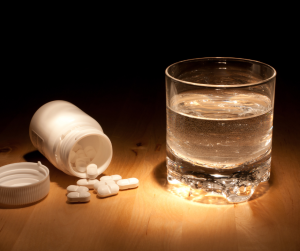
Drug interactions can weaken your medications or make them too strong. Although this seems simple, the effects can be serious. Because many people use over-the-counter products, they often mix medications and other substances without knowledge. This creates hidden risks. When you learn how drug interactions work, you gain control over your treatment. You also reduce your chances of hospital visits. Because of this, awareness becomes your strongest tool.
Below are ten examples of common and risky drug interactions. Each example shows how everyday products can cause serious harm.
Mixing alcohol with acetaminophen can damage your liver. This happens because both substances strain the liver simultaneously.
Taking ibuprofen with blood thinners increases bleeding risk. This happens because both products affect clotting. Although many people use ibuprofen for pain, they often forget to check for interactions. Because of this, they face a higher risk of internal bleeding.
Mixing antihistamines with sedatives increases drowsiness. This combination slows your reaction time. Because of this, you face higher risks when driving or operating machinery.
Some antibiotics reduce the effectiveness of birth control pills. This happens because their hormone levels change. Because of this, an unexpected pregnancy becomes a real risk.
Grapefruit juice can increase statin levels in your body. This raises the risk of muscle damage. Although grapefruit seems harmless, it creates strong interactions with many medications.
Antacids can block the absorption of thyroid medication. This reduces the drug’s effectiveness. As a result, your thyroid levels may become unstable.
St. John’s Wort can increase serotonin levels when mixed with antidepressants. This can cause serotonin syndrome. Because many people use herbal products, this interaction becomes common.
Some cough syrups contain ingredients that interact with antidepressants. This can raise serotonin levels too high. Because of this, you must check labels before using cough products.
NSAIDs can reduce the effectiveness of blood pressure medications. This can raise your blood pressure. Because many people use NSAIDs for pain, this interaction often goes unnoticed.
Beta blockers can hide signs of low blood sugar. This makes diabetes harder to manage. Because of this, you must monitor your blood sugar more often.
Although many interactions cause harm, some interactions improve treatment. Doctors sometimes combine medications to create stronger effects. These combinations help treat complex conditions. Because of this, you must understand that interactions are not always dangerous.
Although these interactions help patients, they must be monitored closely. Because of this, you must always follow your doctor’s instructions.
Taking four or more medications increases your risk of harmful drug interactions. This risk rises because each new medication adds another layer of complexity. Older adults face the highest risk because they often manage several chronic conditions together. Because of this, they face higher risks of harmful combinations. Although doctors try to monitor these risks, patients must also stay alert. When you understand drug interactions, you can ask better questions. You can also avoid dangerous combinations. This knowledge helps you stay safe as your health needs change.
Below are four simple habits that protect you from harmful drug interactions. Each habit reduces your risk. Each habit also helps your healthcare team keep you safe.
Using one pharmacy helps your pharmacist track your medications. This reduces your risk of harmful drug interactions. When all your prescriptions stay in one place, your pharmacist can spot dangerous combinations. This system protects you even when you forget to mention a product.
Keeping a master list helps every doctor understand your treatment. This list should include prescriptions, supplements, and over-the-counter products. When you share this list with your doctor at every visit, you reduce your risk of drug interactions. This habit also helps your doctor adjust your treatment safely.
Asking questions helps you avoid harmful drug interactions. Doctors and pharmacists can explain how your medications behave together. They can also warn you about foods or supplements that cause problems. When you ask about interactions, you take control of your health.
Reading the leaflet helps you understand your medication. These leaflets explain common drug interactions. They also warn you about foods, drinks, and supplements to avoid. When you read this information, you protect yourself from preventable harm.
Drug interactions remain one of the most overlooked risks in healthcare. Although many people trust their medications, they often ignore how those medications behave when mixed. As a result, thousands of Canadians face preventable emergencies every year. You can avoid these risks with simple habits. You can also protect your health by staying informed. When you understand drug interactions, you make safer choices. You also give yourself the best chance at healthy, effective treatment.